English
 Quốc Ngữ
 Bahasa Indonesia
 Português
 Bahasa Melayu
 Amharic
 urdu
urdu
 हिन्दी或हिंदी


Across many parts of the world, power utilities are facing a growing challenge: keeping electricity networks reliable while extreme weather events become more frequent. Heavy rainfall, coastal salt contamination, wildfires, and prolonged heatwaves have all increased pressure on transmission infrastructure. As utilities review long-term investment plans, composite insulators are receiving renewed attention for their ability to perform under demanding environmental conditions.
Traditional porcelain and glass insulators have served transmission systems for decades, but maintaining aging infrastructure has become increasingly expensive. Utilities are now looking beyond simple replacement and considering materials that require less maintenance while offering stable electrical performance over a longer service life.
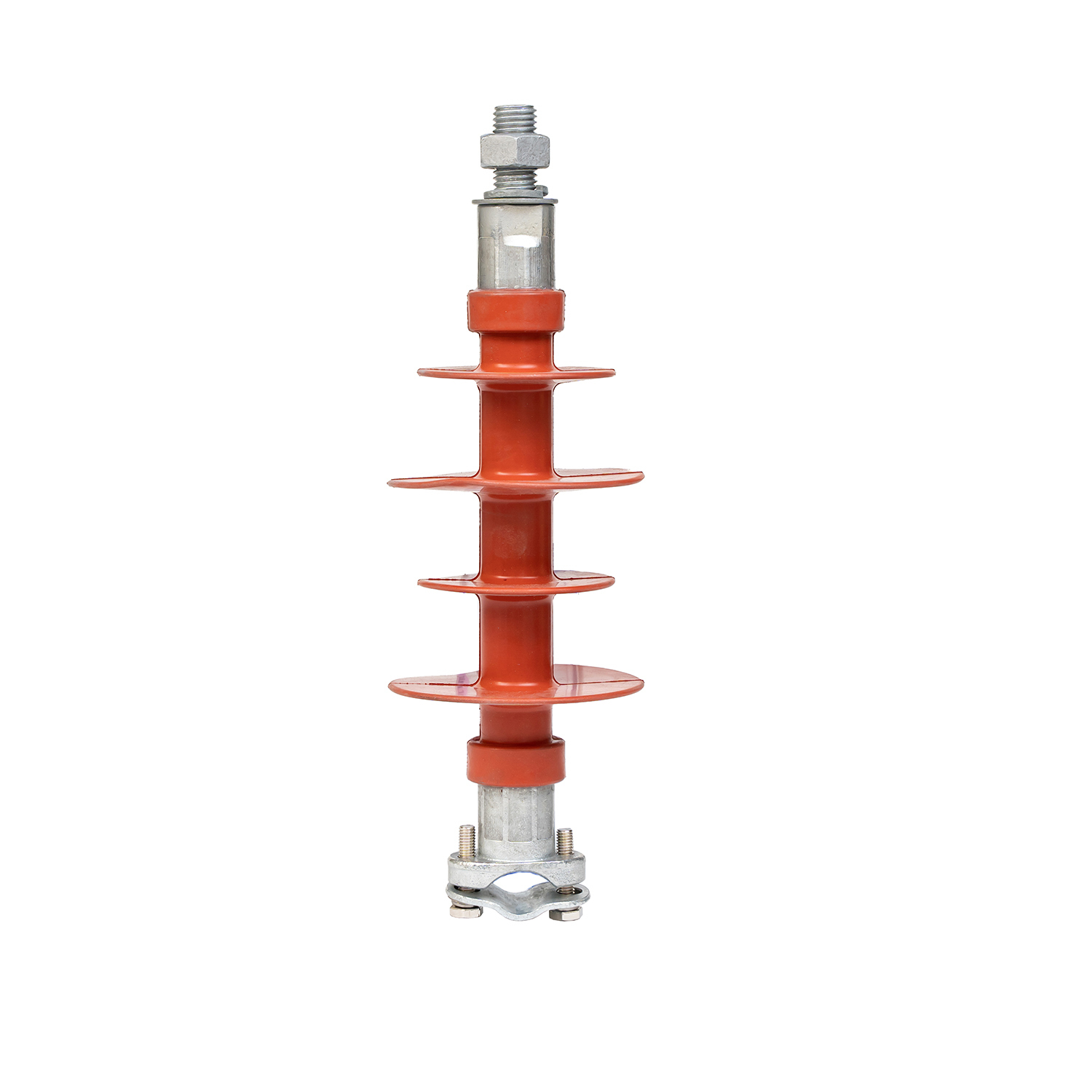
Composite insulators have become one of the technologies attracting interest during this transition. Manufactured with fiberglass cores protected by silicone rubber housings, these insulators combine mechanical strength with strong resistance to pollution and moisture. Their lighter weight also simplifies transportation and installation, particularly in mountainous regions or remote project sites.
The discussion around transmission reliability has become more important as countries continue expanding renewable energy capacity. Large-scale wind farms and solar parks are often located far from major population centers, requiring new transmission lines capable of operating in diverse environmental conditions. Equipment reliability is therefore becoming an increasingly important consideration during project planning.
Engineers note that one advantage of composite insulators is their hydrophobic surface. Water is less likely to form continuous conductive films, reducing the possibility of flashover during wet or polluted conditions. This characteristic is especially valuable in coastal areas where airborne salt deposits can accelerate contamination on electrical equipment.
Another factor influencing purchasing decisions is maintenance efficiency. Utility companies are under pressure to optimize operating budgets while maintaining grid stability. Components that reduce inspection frequency or simplify replacement procedures may contribute to lower lifecycle costs over time.
Manufacturers are also investing in production improvements. Advanced molding technologies, stricter quality control procedures, and improved testing methods have helped increase product consistency. In addition, many suppliers are working closely with utilities to customize insulator designs for different voltage classes and environmental conditions.
Digitalization is beginning to influence this sector as well. Some utilities are integrating transmission line inspections with drone imaging, thermal monitoring, and predictive maintenance software. Although composite insulators themselves are passive components, their long-term performance data can support asset management strategies based on condition monitoring rather than fixed maintenance schedules.
Industry analysts expect infrastructure investment to remain active over the coming years as governments continue supporting grid modernization. Electrification of transportation, industrial decarbonization, and increasing electricity demand all require stronger and more resilient transmission networks. Under these conditions, reliable insulation technology will continue to play an important supporting role.
While no single component can solve every challenge facing modern power systems, composite insulators have become an important option for utilities seeking durable, lightweight, and environmentally adaptable solutions. As transmission networks continue evolving alongside global energy transitions, demand for dependable insulation products is expected to remain steady.