English
 Quốc Ngữ
 Bahasa Indonesia
 Português
 Bahasa Melayu
 Amharic
 urdu
urdu
 हिन्दी或हिंदी


Substation Fittings: The Silent Enablers of Reliable Power Transmission
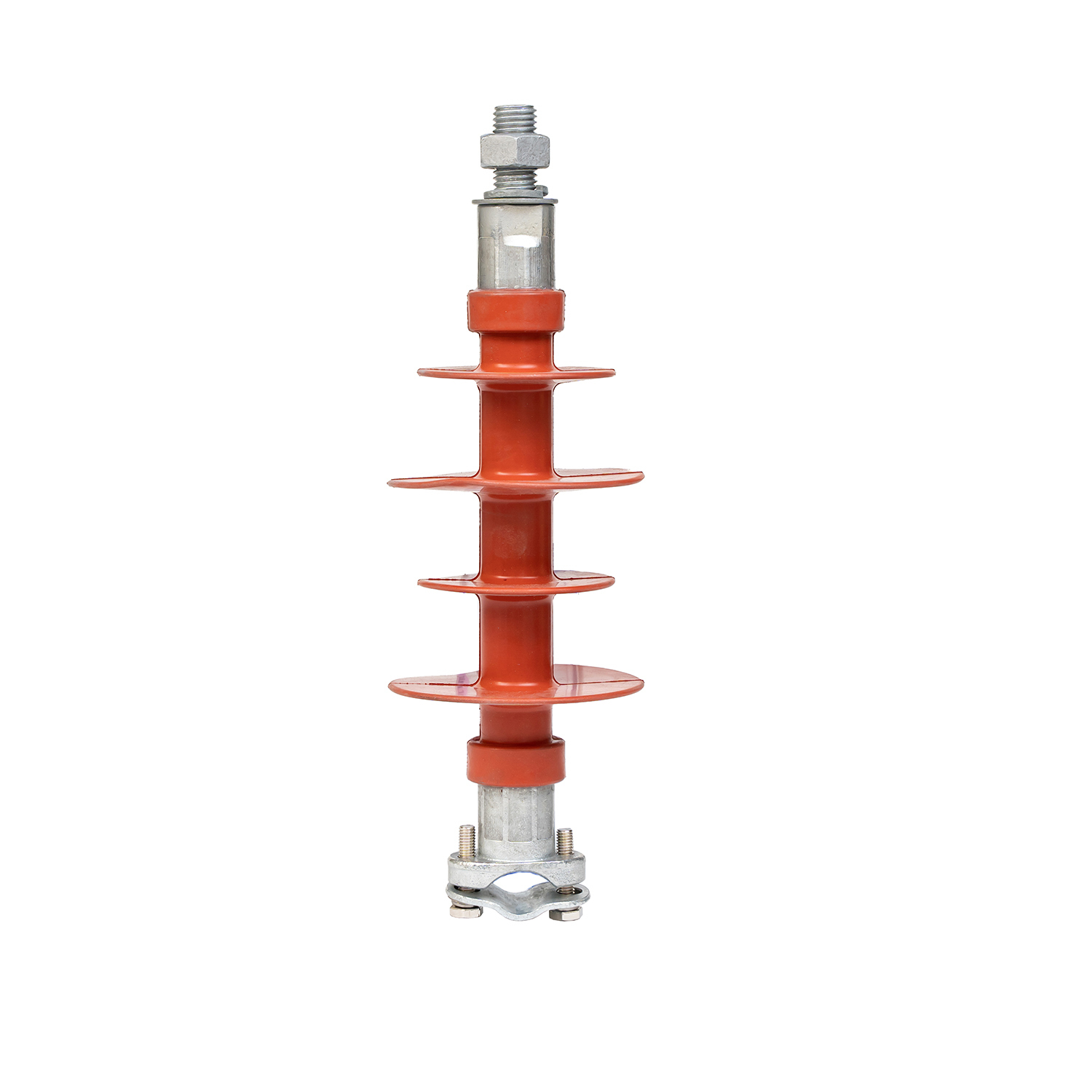
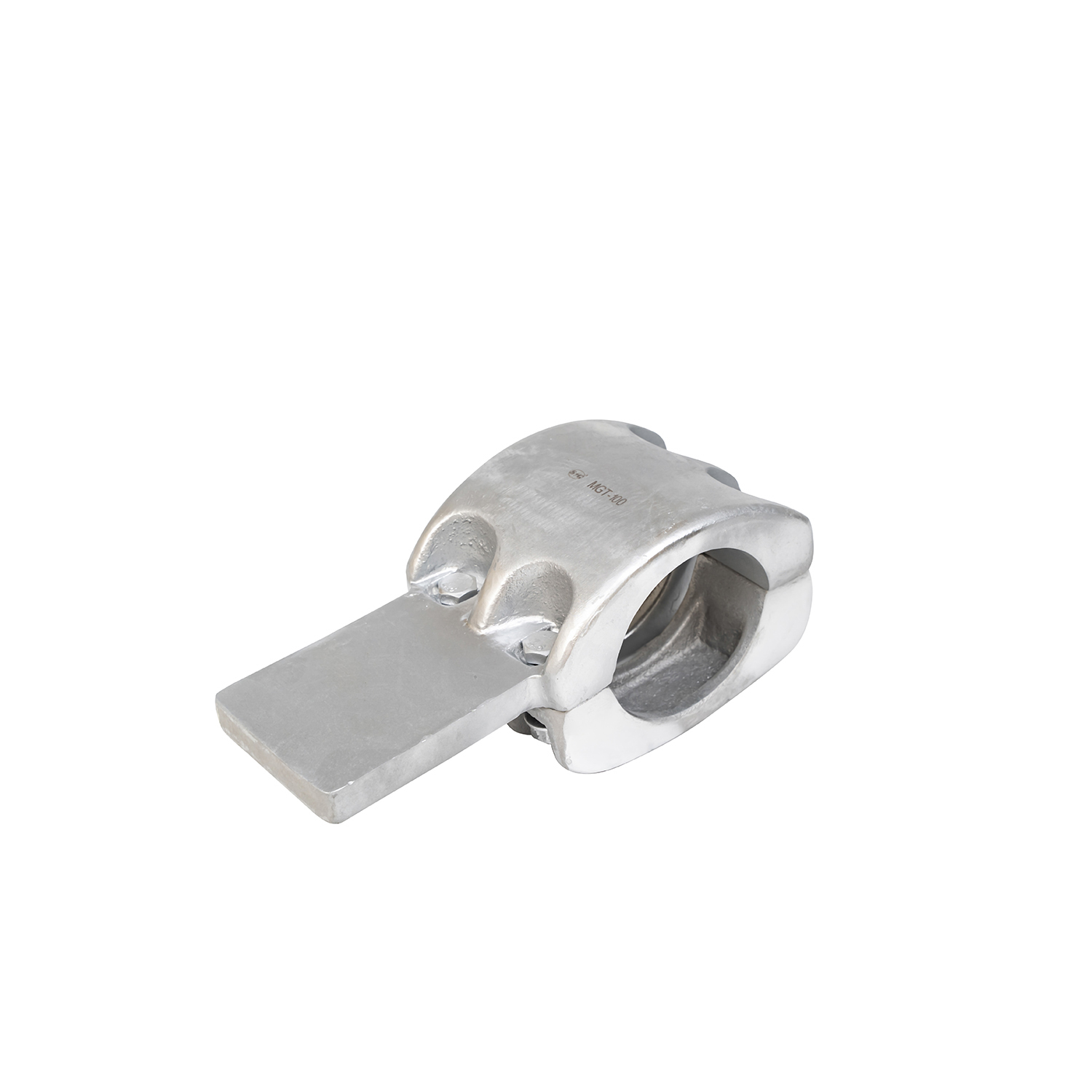
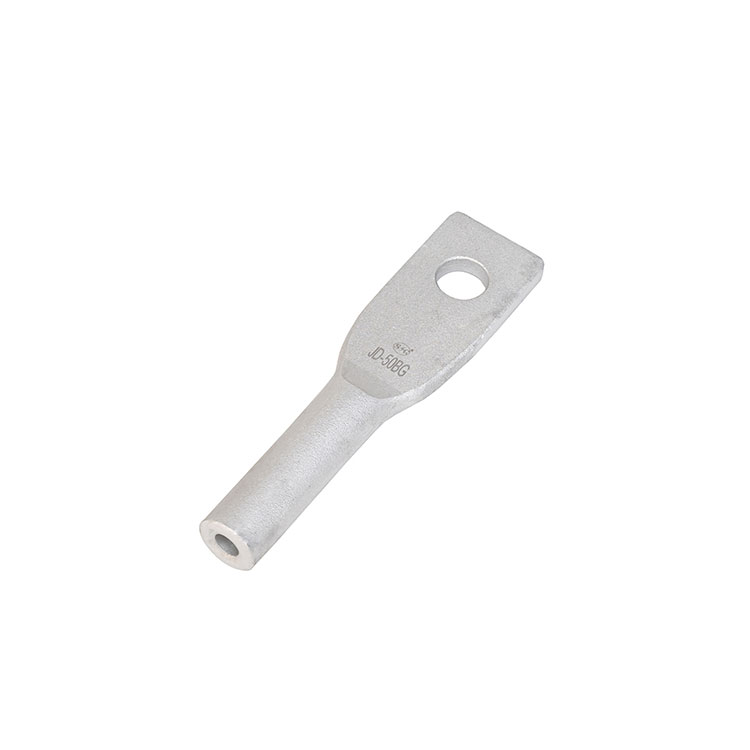
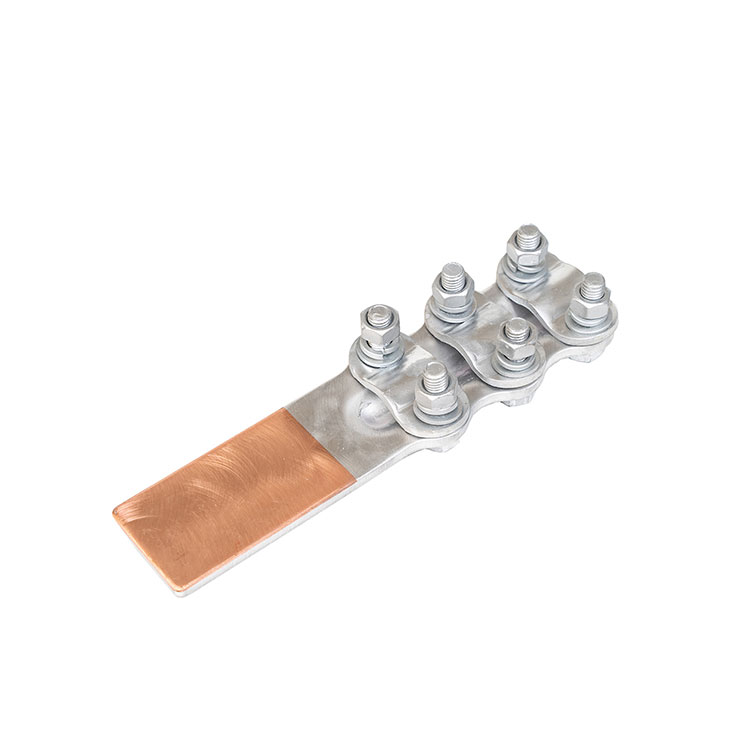
Behind every flicker-free light switch and every smoothly running industrial motor lies an often-overlooked hero—substation fittings. While transformers and circuit breakers tend to steal the spotlight, it is the humble fittings—connectors, clamps, busbars, insulators, and mounting hardware—that hold the entire power network together. Without them, even the most advanced substation is nothing more than an assembly of unconnected parts.
As global energy demand surges and renewable sources pour variable power into aging grids, the role of substation fittings has never been more critical. These components are no longer passive pieces of metal and polymer; they are engineered solutions designed to withstand extreme weather, handle fluctuating loads, and ensure uninterrupted power flow from generation to consumption.
Engineering Precision Meets Uncompromising Durability
Modern substation fittings are manufactured to exacting standards that prioritize long-term reliability over short-term cost. High-grade aluminum alloys, corrosion-resistant coatings, and advanced polymer insulators are now standard, enabling fittings to perform in environments ranging from salt-laden coastal air to sub-zero mountain passes.
Thermal expansion, mechanical stress, and electrical conductivity are all carefully balanced during the design phase. Every curve, thread, and crimp is optimized to minimize energy loss and prevent overheating—factors that directly impact grid efficiency and safety. The result is a family of components that work in harmony, ensuring that power flows smoothly across thousands of kilometers with minimal interruption.
The Rising Demand for Grid Modernization and Renewables Integration
Utilities and grid operators worldwide are racing to upgrade aging infrastructure, and substation fittings are at the heart of this transformation. The rapid expansion of solar and wind farms requires new substations to connect remote renewable sources to population centers. At the same time, existing substations are being retrofitted with smarter, more robust fittings capable of handling bidirectional power flows and sudden voltage spikes.
This shift is not merely technical—it is strategic. Governments and energy companies recognize that a resilient grid is the foundation of energy security. As a result, procurement standards have tightened, and suppliers of high-performance substation fittings are finding themselves in unprecedented demand.
Innovation Driving Performance and Longevity
The industry is not resting on past achievements. Continuous research and development have given rise to fittings with self-cleaning surfaces, improved fatigue resistance, and enhanced grip stability under vibration. Some cutting-edge designs incorporate real-time monitoring capabilities, allowing operators to detect loose connections or temperature anomalies before they escalate into costly outages.
These innovations translate directly into lower maintenance costs, reduced downtime, and extended asset life—benefits that resonate with budget-conscious utility managers and asset engineers alike.
Global Outlook: A Market Poised for Sustained Growth
As developing nations electrify rural regions and developed economies pursue carbon-neutral targets, the global substation fittings market is set for sustained expansion. Emerging standards emphasize interoperability, environmental compliance, and lifecycle performance, pushing manufacturers to continuously raise the bar.
For procurement professionals, engineers, and project developers, choosing the right fittings is no longer a commodity decision—it is a strategic investment in grid reliability and operational excellence.
Conclusion: Small Components, Massive Impact
Substation fittings may not command headlines like giant wind turbines or massive battery storage systems, but their contribution to modern life is immeasurable. They are the quiet workhorses that keep hospitals powered, factories running, and communities connected.
In an era where every kilowatt counts and grid resilience is paramount, these unsung components deserve recognition—not just as hardware, but as essential enablers of a sustainable, electrified future.
About the Author / Industry Insight
This article is brought to you by experts dedicated to advancing power infrastructure through reliable, high-quality substation components. To learn more about how modern fittings can enhance your project’s performance and longevity, stay connected with the latest developments in the energy sector.